
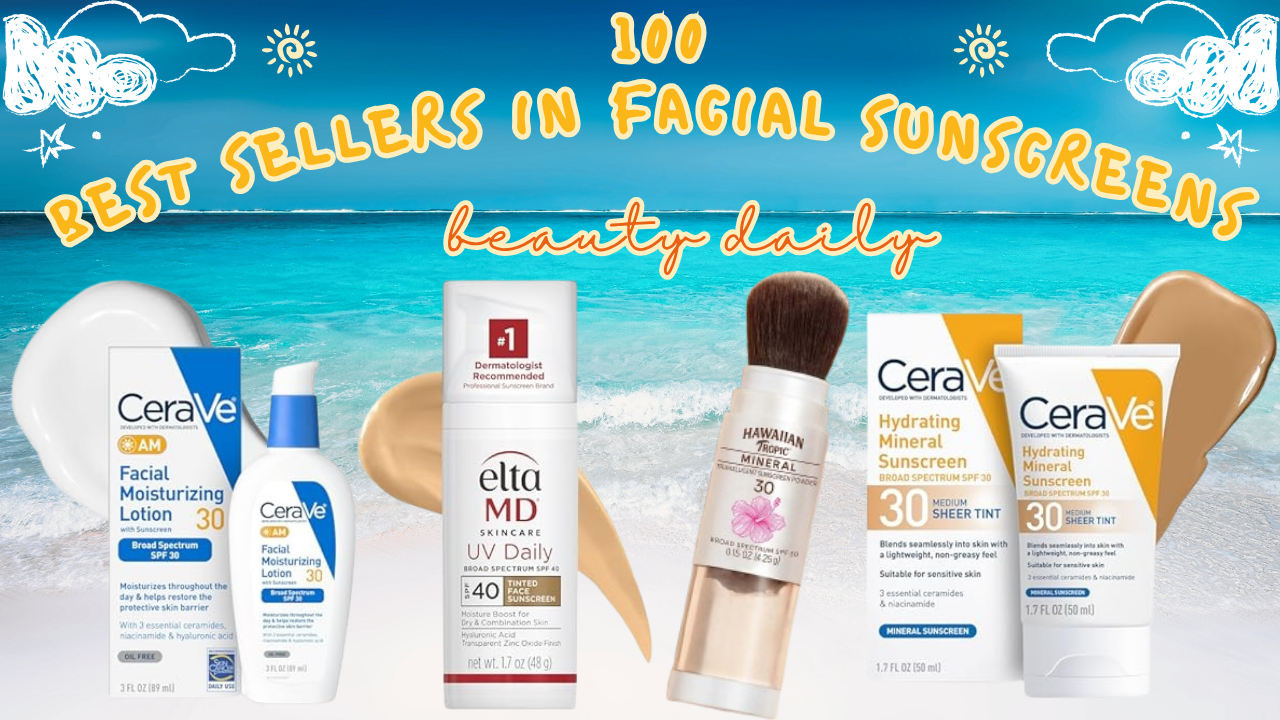
Why Facial Sunscreen Matters (Even on Cloudy Days)
Sunscreen for your face is not optional — it’s foundation-level skincare. UVA rays (which drive aging) can pass through clouds and glass; UVB rays cause sunburn; both contribute to long-term damage and increase skin cancer risk. Using a broad-spectrum facial sunscreen every day is one of the single most impactful habits for healthy skin.
For readers in the Pacific Northwest (Portland, Seattle, and surrounding areas), it’s easy to assume “less sun = less risk.” But UVA rays are present year-round and can penetrate windows during commutes, office work, or while driving. That’s why pairing a solid daily SPF with local lifestyle habits gives you the best protection.
How to Read a Facial Sunscreen Label — Simple, Practical
When you’re shopping, whether online or in a store, these label elements matter most:
- Broad-spectrum: Protects against UVA and UVB. Don’t buy anything that isn’t labeled broad-spectrum.
- SPF 30+: For everyday wear, SPF 30 is a sensible minimum; SPF 50 offers extra margin for long outdoor exposure.
- Active ingredients: Mineral filters (zinc oxide, titanium dioxide) sit on top of the skin and block rays; chemical filters (avobenzone, octisalate, etc.) absorb rays. Both work well when formulas are well-designed.
- Water resistance: Important for sports, beach days, or sweat-heavy workouts. It does not replace reapplication.
- Formulation: Cream, lotion, gel, tinted, or stick — choose what you’ll actually use consistently.
Common Skin Types & Recommended SPF Choices
1. Oily or Acne-Prone Skin
Look for oil-free, non-comedogenic, and matte-finish sunscreens. Gel-creams and mineral sunscreens with a light, powdery finish work well under makeup.
2. Dry Skin
Pick a hydrating facial sunscreen with ceramides, glycerin, or hyaluronic acid. Creamy textures that double as a lightweight moisturizer make daily application easier.
3. Sensitive Skin
Mineral sunscreens (zinc oxide or titanium dioxide) are less irritating for sensitive skin. Unscented and preservative-conscious formulas reduce the chance of flare-ups.
4. Combination or Normal Skin
Most modern facial SPFs are designed for daily wear and will suit combination skin; start with SPF 30 broad-spectrum and adjust texture preference (matte vs. dewy).
Texture & Makeup: What Works Best Under Foundation?
If you wear makeup, texture matters. Lightweight, fast-absorbing lotions or gel creams tend to play well under primer and foundation. Tinted sunscreens are brilliant if you want a bit of coverage with fewer steps. For a dewy look, choose hydrating formulas; for a shine-controlled look, look for “dry-touch” or “mattifying” claims.
Pro tip: apply sunscreen, let it set for 60–90 seconds, then pat on primer or foundation. This reduces pilling and helps the sunscreen bond to skin.
Application Rules — The Short, Useful Version
- Amount: Use about a nickel to quarter-sized amount for the face and neck (most people underapply).
- Frequency: Reapply every two hours when outdoors; immediately after swimming or heavy sweating.
- Stacking: If you use other skincare (serums, vitamin C, moisturizer), sunscreen should be the last step in your morning routine before makeup.
Travel & Outdoor Days — Extra Considerations
For travel, choose compact sticks or travel-size bottles that fit in a daypack. If you’re hiking Oregon trails, snorkeling on a trip, or spending long weekend hours outside, look for water-resistant, high-SPF options and plan on reapplication with a spray or lotion.
Ingredient Notes — What to Watch For
A few short ingredient notes to help you make confident choices:
- Zinc oxide & titanium dioxide (mineral): Gentle and good for sensitive skin. Modern formulations are less white-cast than older versions.
- Avobenzone, octisalate, octocrylene (chemical): Lightweight, cosmetically elegant, often used in tinted and mattifying formulas.
- Antioxidants & actives: Niacinamide, vitamin E, or hyaluronic acid are nice extras but don’t replace SPF—think of them as bonuses.
- Fragrance & alcohol: Can irritate some skin types. If you have reactive skin, opt for fragrance-free and lower alcohol content.
How to Choose from Popular Options (Practical Scenarios)
Instead of a single “best” product, match the sunscreen to your life. Here are scenarios to make selection fast:
Scenario A — Daily commuter in an office with lots of window exposure
Choose a lightweight, broad-spectrum SPF 30–50 that layers well under makeup. A tinted mineral or sheer chemical formula helps even skin tone and reduces the number of products you use in the morning.
Scenario B — Active outdoors person (running, biking)
Pick a water-resistant, sweat-proof formula and bring a compact reapply option. Sticks are great for quick touch-ups.
Scenario C — Sensitive or acne-prone skin
Mineral, non-comedogenic, fragrance-free SPF is the safest bet. Avoid heavy occlusives that can trap oil and cause breakouts.
Local (Pacific Northwest) Tip: Cloudy ≠ Safe
In Portland and the PNW, cloudy days are common—and UVA rays still reach your skin. Apply daily, every morning, regardless of forecast. If you work inside all day but spend time near windows or go outside for lunch, consider SPF 50 for extra insurance.
If you enjoy gardening, walking the dog, or outdoor coffee stops, keep a small sunscreen in your bag. It’s the easiest habit to maintain and one of the most powerful steps to prevent sun damage.
Everyday Routine Example (5 minutes)
Here’s a quick, practical morning routine that includes SPF and doesn’t take extra time:
- Cleanse face (30–60 seconds).
- Apply targeted serums (vitamin C, hyaluronic acid) and moisturizer if needed.
- Apply a nickel-to-quarter size of facial sunscreen — don’t skip neck and ears.
- Wait 60 seconds, then apply makeup if you wear it.
Common Myths — Debunked Quickly
- Myth: “I don’t need sunscreen on cloudy days.” Fact: UVA is present year-round.
- Myth: “Dark skin doesn’t need sunscreen.” Fact: All skin tones benefit from SPF to prevent aging and reduce skin cancer risk.
- Myth: “My moisturizer has SPF — that’s enough.” Fact: Dedicated facial sunscreens are formulated and tested for adequate protection; many moisturizers contain low or uneven SPF coverage.
How We Use This Page — Your Next Step
If you want a deeper walkthrough of specific product types, textures, or a curated shopping list that matches your skin type and routine, we’ve built a demo resource with practical examples and recommendations. It’s tailored for everyday readers and includes application photos, texture notes, and routine suggestions.
Explore our demo page here:
FAQ — Quick Answers
Do I need sunscreen if I use makeup with SPF?
Makeup SPF is a helpful backup but often doesn’t contain enough product to reach the labeled SPF protection. Use a dedicated facial sunscreen first, then makeup if you want extra coverage.
Can I skip sunscreen indoors?
If you never go outside and are not near windows, your exposure is minimal. For most people with normal daily activity, continue daily application because UVA through windows is a real contributor to cumulative damage.
How do I reapply without ruining my makeup?
Use a sun-protective powder (mineral SPF powder) or a mist/spray designed for reapplication over makeup. Alternatively, carry a small stick for discreet touch-ups.